My
Teaching Philosophy
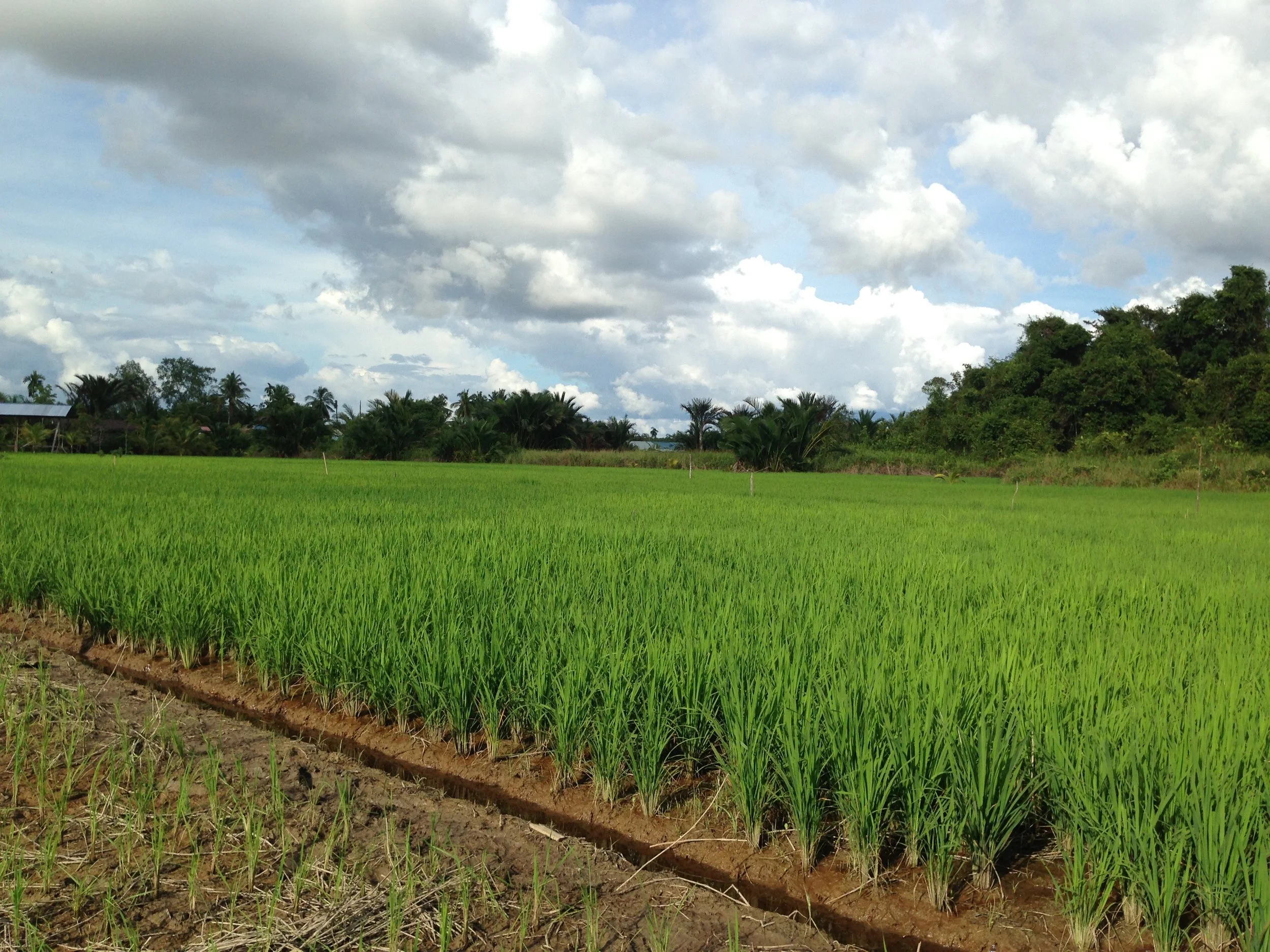
I believe the classroom is inherently shaped by the experiences, identities, and social worlds its participants bring. Education is as much experiential, emotional, and moral as it is intellectual. My teaching philosophy centers on self-actualization, ethical growth, and empowerment—supporting learners as whole persons and engaged citizens.
Drawing on my interdisciplinary training in anthropology, law, social policy, and the humanities in Malaysia, the United Kingdom and the United States, I prioritize active participation, reflection, and care. I encourage students to relate theory and content to their lives, bridging the classroom with the “real world” and demystifying complex scholarly work through approachable texts and creative assignments. As a mentor, particularly to first-generation and underrepresented students, I take pride in supporting those who have since earned placements at leading global institutions and secured prestigious fellowships such as the Rhodes, Fulbright, Rockefeller, and Truman Scholarships
Motivated by my own background—learning from grandmothers whose stories and know-how offered lessons beyond written text—I draw from multiple ways of knowing, integrating oral tradition, creative writing, and reflective practice. I see theory and research not as abstract ends, but as critical tools for understanding and transforming ourselves and our communities.
Ultimately, I strive to model and nurture openness, curiosity, and mutual respect. Through regular feedback, wellness check-ins, and dedicated guidance outside the classroom, I aim to create a space where learning feels joyful, relevant, and liberatory. I see education as a practice of care and collaboration—a means of growing together as thinkers, neighbors, creators and citizens.
Courses Taught
How to Tell A Story: Visions and Explorations in Ethnography
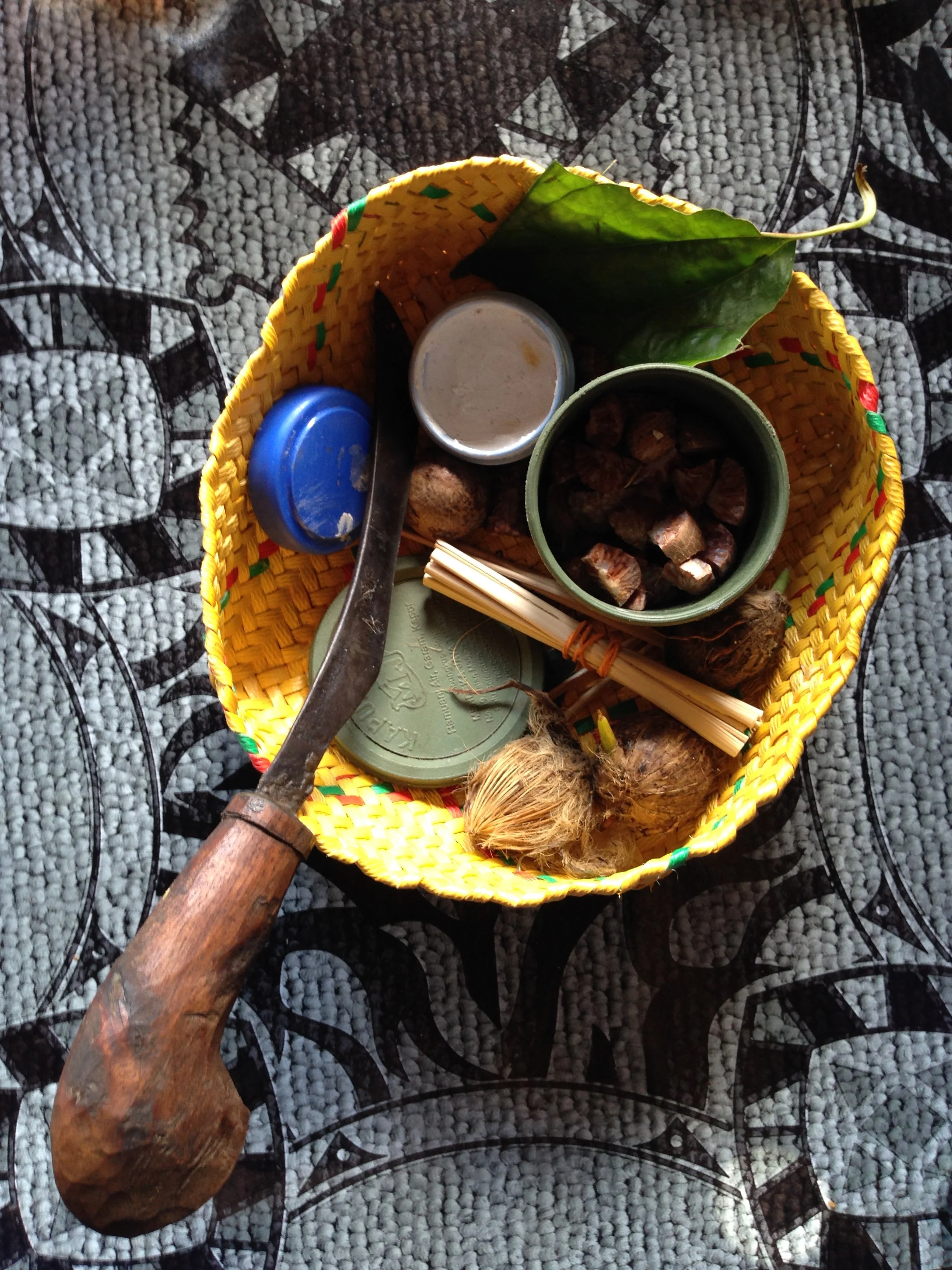
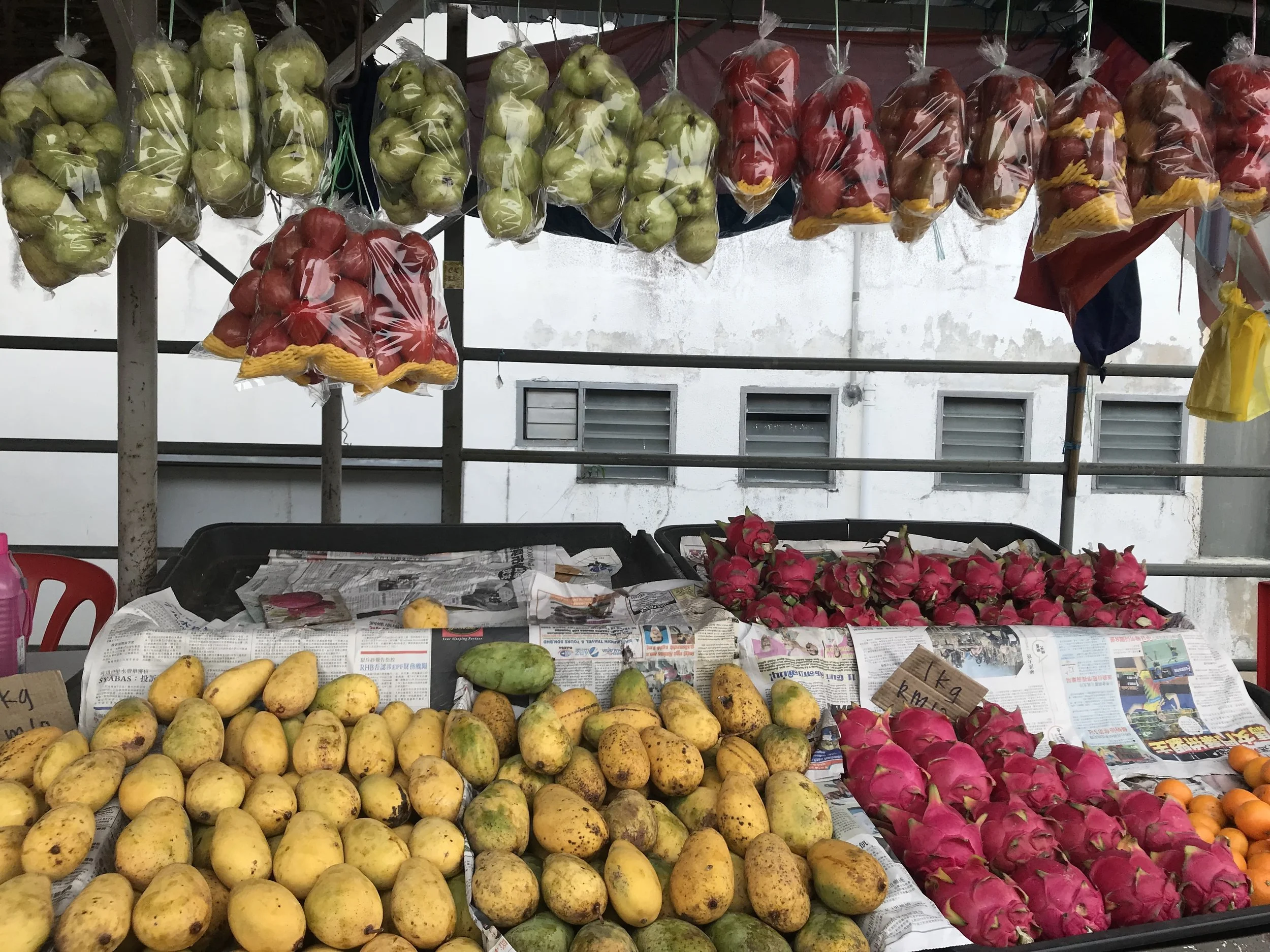
“Sometimes I'm right and I can be wrong
My own beliefs are in my song
The butcher, the banker, the drummer and then
Makes no difference what group I'm in
I am everyday people, yeah, yeah”
— “Everyday People” (1968) by Sly and the Family Stone, later covered by Aretha Franklin (1991) and Arrested Development (1992)
How are stories told?
How do anthropologists render lived experiences into ethnographic text?
How might ethnography - as a mode of witnessing and a way of knowing - be distinct from other genres of writing?
This course explores the craft of storytelling within the genre of ethnography. In so doing, the course seeks to introduce students to the critical issues, limits and possibilities that underlie ethnographic writing as a particular way of representing social experience. It will also acquaint students with the rich heritage of innovative and experimental works within the discipline.
Classroom materials include ethnographic and literary readings (primarily by historically underrepresented writers and scholars, with a special interest in the Global South) that allows students to consider questions of ethics, epistemology, conventions, politics, and representation that arise in the practice of ethnographic writing. Students will also learn key aspects of ethnographic writing by engaging in a variety of writing exercises informed by everyday lived experiences. Holding a vision of creative ethnography and transcending disciplinary boundaries, this course encourages students to not only write well and with pleasure, but to nurture an awe and attentiveness to the unexpected worlds that can emerge from the encounters that take place in and beyond the ethnographic text.
The Everyday
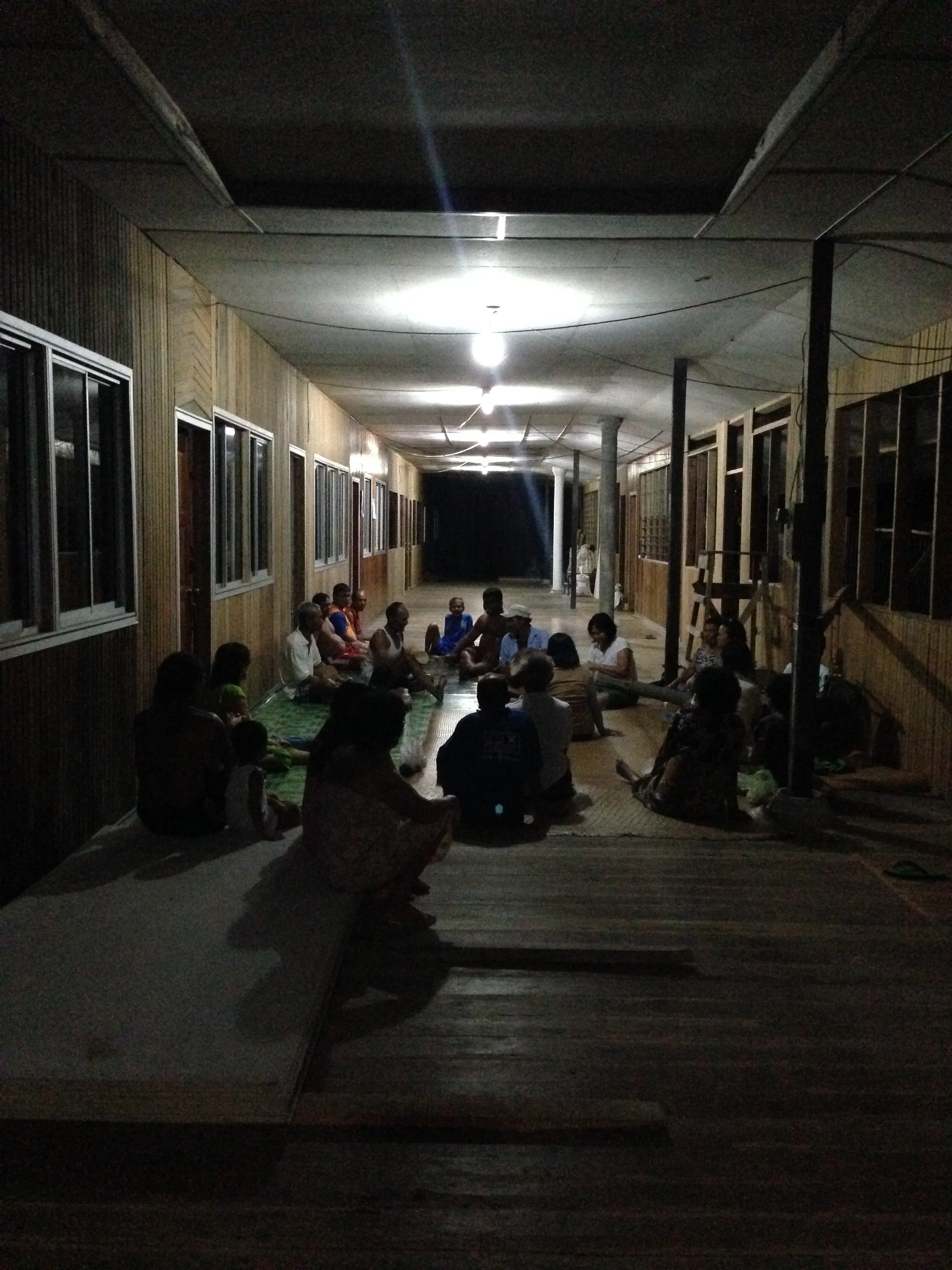
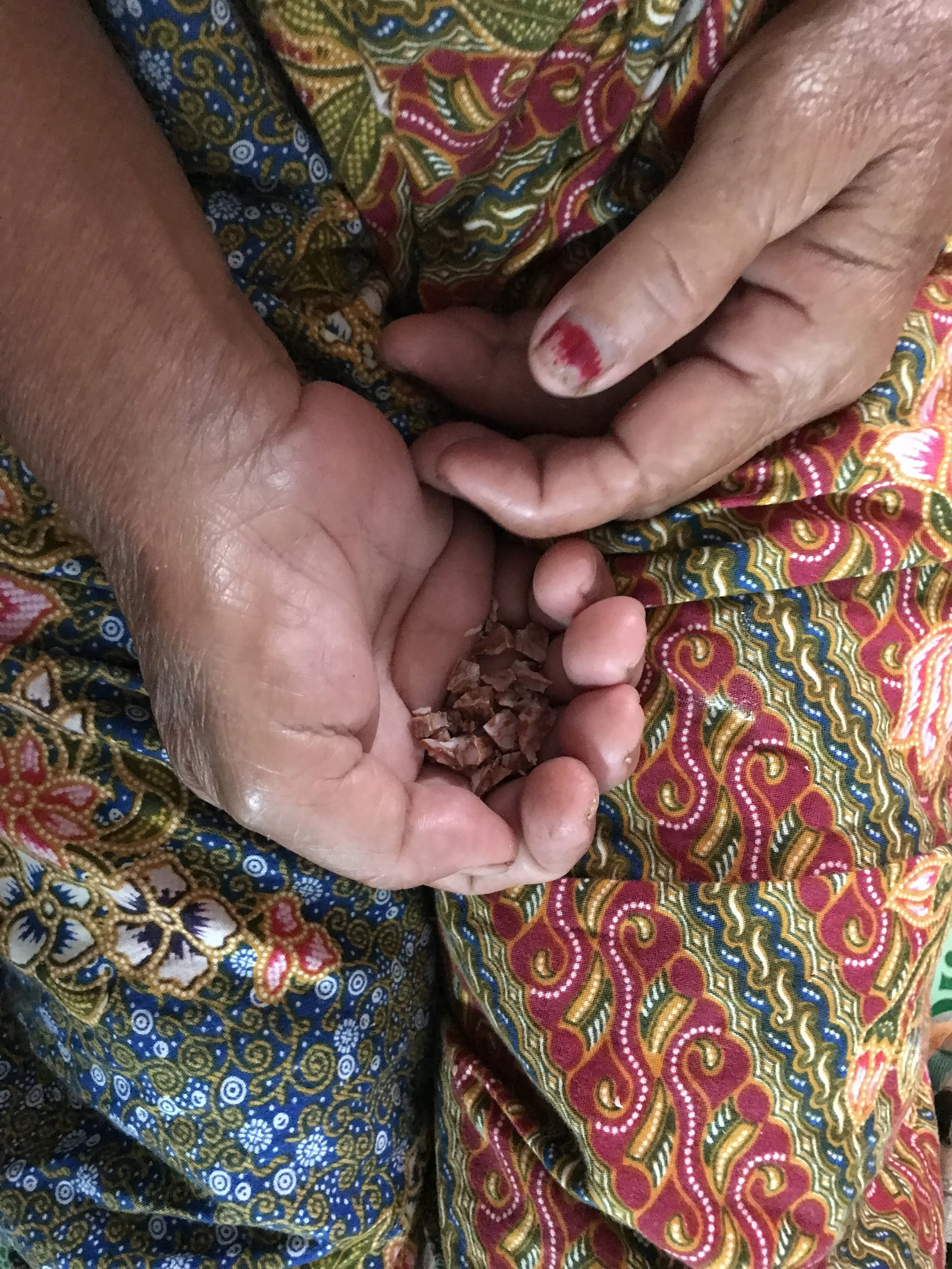
In light of the ways in which social forces impact our individual and group behaviors, human daily routine, interactions and life events, to what extent are we “the same/ whatever we do”?
Geared towards undergraduates at any level, this course seeks to understand how and why social thinkers and artists across various fields have long endeavored to conceptualize and represent “everyday life”.
This course looks at how “everyday life” has served as a methodological tool, a point of analysis and a literary trope in anthropological pursuits. Course materials include scholarly and ethnographic readings, as well as works of art, film and literature that seek to understand and represent how daily order and disruption frame individual and collective consciousness and behavior, and how power, labor and sociality construct social structure, action and reproduction. Holding a vision of engaged anthropology and transcending disciplinary boundaries, this course encourages students to observe how their questions and renewed awareness of the everyday informs them in their daily interactions with others and how they perceive the world and their surroundings. Students will also learn ethnography through doing ethnography, and in the process, collaborate on a community-driven classroom archive of everyday lived experiences.
Student Testimonial
How to Tell A Story: Visions and Explorations in Ethnography

The Everyday

“I cannot recommend this class enough. You will grow as a writer, reader, and thinker. You will leave each class wanting to write for hours and every single conversation we have is one that alters my perspective on storytelling and narrative. Damina created a wonderful and caring class environment that valued the perspective of every single student, and I looked forward to every single class. Additionally, the readings are incredible and you will walk out of the class wanting to read more than you ever did before. Without a doubt, this is my favorite class I've taken at Harvard.”
“Few spaces at Harvard feel like they are the lily pads for intellectual vitality that the College wants them to be, but this was 100% one of them, very much thanks to Damina's cultivation of a fierce, sharp, yet caring/loving course community. We should all learn from her now more than ever!”
“Damina is incredible! She clearly cares deeply about every single student and puts so much time, energy, and care into helping us grow as writers. Anytime I felt doubts about my own writing and my approaches to storytelling, Damina believed in me and reassured me that I have the power to tell stories in meaningful ways. She makes sure to find time for office hour discussions with students even if her schedule is full, and each conversation is one that has left me thinking about how much I want to continue pursuing anthropology and write more than ever. Damina is kind, flexible, and empathetic, and created a class environment that I, and I'm sure every other student, will cherish forever.”
”I learned how to be more observant and to pay close attention to the small details that often go unnoticed. This course helped me slow down, look deeper, and recognize the importance of subtle cues, whether in a coffee shop or everyday interactions. It changed the way I process information and encouraged me to be more thoughtful and intentional in my approach to learning and problem–solving. I now understand that sometimes the most meaningful insights come not from what is immediately visible, but from what lies beneath the surface.”
”I learned how to be more observant and to pay close attention to the small details that often go unnoticed. This course helped me slow down, look deeper, and recognize the importance of subtle cues, whether in a coffee shop or everyday interactions. It changed the way I process information and encouraged me to be more thoughtful and intentional in my approach to learning and problem–solving. I now understand that sometimes the most meaningful insights come not from what is immediately visible, but from what lies beneath the surface.”